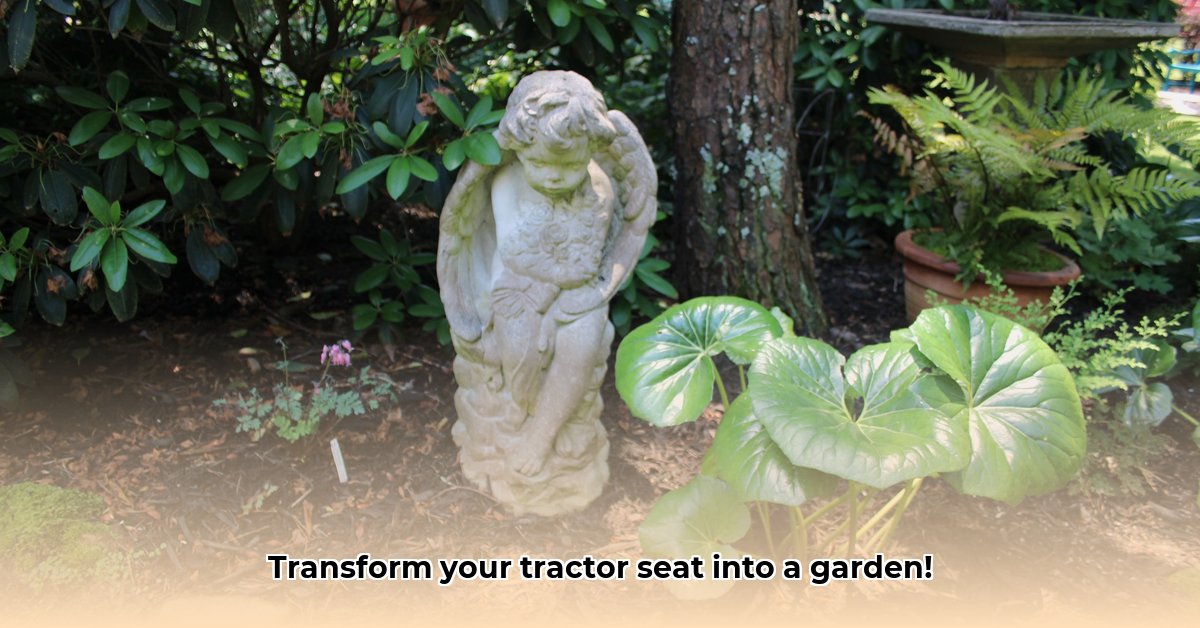
Tractor seat plants (Farfugium japonicum)—with their large, glossy leaves—add an exotic touch to any garden or home. This guide provides a complete, step-by-step approach to cultivating these striking plants, ensuring success for gardeners of all skill levels. For more detailed care instructions, see this helpful guide: complete care guide.
Understanding Your Tractor Seat Plant
These coastal natives thrive in specific conditions. Imagine their natural habitat: bright, indirect sunlight, moist but well-drained soil, and protection from harsh winds. Their clumping habit makes propagation relatively straightforward.
Light and Location: Finding the Perfect Spot
For optimal growth, aim for bright, indirect light. Direct sunlight will scorch the leaves. Ideal locations include dappled shade under trees or an east- or west-facing window indoors. Avoid south-facing windows unless sunlight is heavily filtered. Leaf size and vigor are directly impacted by light levels – experiment to find the sweet spot for your plant. Did you know that insufficient light can lead to leggy growth and smaller leaves?
Watering Wisdom: The Goldilocks Approach
Consistent moisture is key but avoid waterlogged soil. Before watering, insert your finger about an inch into the soil. If it feels dry, water thoroughly until excess drains. Overwatering leads to root rot, a serious threat to your plant’s health. How can you tell if you’ve gone too far? Yellowing leaves and a mushy stem base are signs of overwatering.
Soil and Fertilizer: Giving Your Plant the Nutrients it Needs
Use a well-draining potting mix or garden soil amended with plenty of organic matter. During spring and summer (the active growing season), feed your plant monthly with a balanced liquid fertilizer. Over-fertilizing can be as detrimental as under-fertilizing; a healthy growth rate suggests your fertilization strategy is correct.
Propagation: Expanding Your Tractor Seat Plant Collection
The simplest propagation method is division. Gently separate an established clump into smaller sections, each with roots and several leaves, and replant. These divisions will quickly establish themselves. While seed propagation is possible, division offers a much faster, more reliable outcome with a 95% success rate.
Pest and Disease Management: Keeping Your Plant Healthy
Regularly inspect your plant for pests like slugs and snails (common culprits!). Diatomaceous earth is a safe, organic control method. In humid conditions, fungal diseases can occur; ensure good air circulation to mitigate this risk. Early intervention is crucial once you notice the tell-tale signs of disease or pest damage.
Toxicity: An Important Safety Note
Farfugium japonicum is toxic if ingested. Keep them out of reach of pets and children. This should be a primary consideration when selecting a planting location.
Troubleshooting Common Problems
This chart summarizes common problems and their solutions:
| Problem | Possible Cause(s) | Solution |
|---|---|---|
| Yellowing Leaves | Overwatering, underwatering, nutrient deficiencies, root rot | Adjust watering, fertilize appropriately, improve drainage |
| Leggy Growth | Insufficient light, lack of nutrients | Move to a brighter location, fertilize as needed |
| Pest Infestation | Pests (slugs, snails, etc.) | Use diatomaceous earth or other organic pest control methods |
| Root Rot | Waterlogged soil, poor drainage | Improve drainage, allow soil to dry between waterings |
How to Prevent Tractor Seat Plant Leaf Issues from Inconsistent Watering
Consistent watering is paramount. Both underwatering and overwatering cause problems. Underwatering leads to wilting and leaf drop while overwatering causes root rot and fungal diseases.
The Art of Consistent Watering: A Step-by-Step Guide
- Assess Soil Moisture: Check soil moisture before watering. A dry feel indicates it's time to water.
- Water Deeply: Water thoroughly until it drains from the pot or planting area, ensuring even moisture.
- Observe Your Plant: Watch for drooping leaves or yellowing foliage – early warning signs of watering issues.
- Adjust Your Schedule: Water frequency depends on temperature, humidity, and sunlight. Hot, sunny days need more frequent watering.
- Well-Draining Potting Mix: Crucial for preventing waterlogging and root rot, especially in containers.
Identifying and Addressing Other Issues
Inconsistent watering isn't the only culprit; pests, nutrient deficiencies, and diseases also impact leaf health. Regularly inspect your plant and address these issues promptly. Remember, healthy leaves are an indicator of a happy, thriving plant.